NEWS
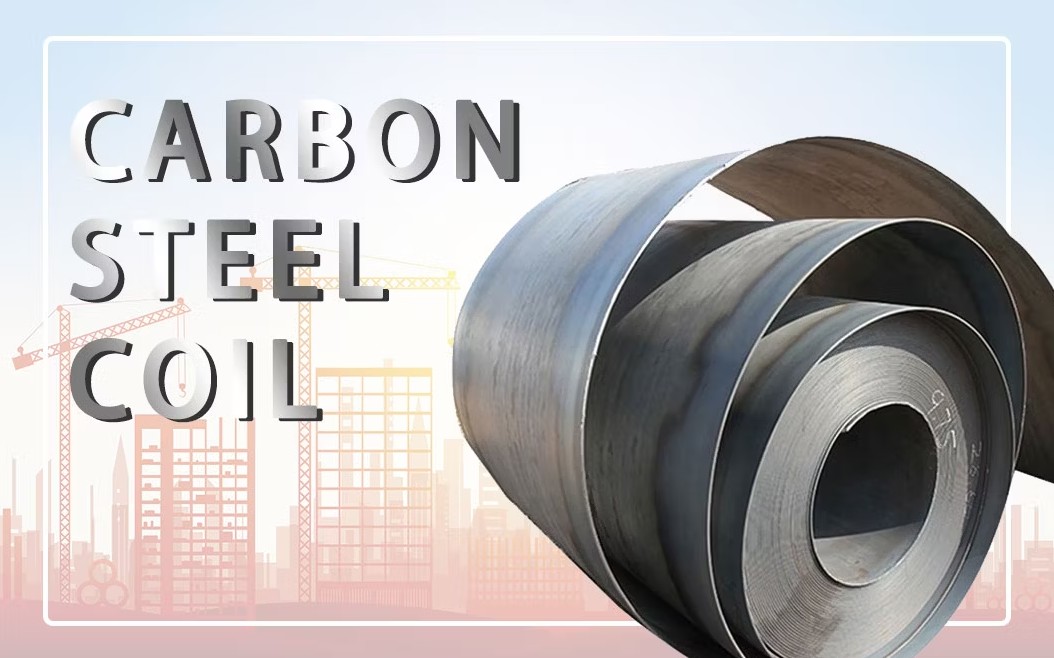
Carbon steel coil is a metal material widely used in industrial production. Due to its unique physical and chemical properties and diverse applications, it holds a significant position in the global market.
Carbon steel coil is primarily composed of iron and carbon, with a carbon content ranging from 0.03% to 2.0%. It exhibits high strength, excellent ductility, and weldability. Carbon content is the primary
factor determining carbon steel's hardness, strength, ductility, and toughness, making classification by carbon content the most basic and common method.
1. Low Carbon Steel
Low carbon steel has a carbon content of less than or equal to 0.25% and is primarily composed of ferrite with a small amount of pearlite.
Low carbon steel has reduced strength and hardness, but excellent plasticity, toughness, and ductility, making it easy to cold work, forge, and weld.
Common applications of low carbon steel include various profiles, steel plates, steel strips, automotive body panels, rivets, screws, and nuts.
2. Medium Carbon Steel
Medium carbon steel has a carbon content between 0.25% and 0.60%.
Low carbon steel offers a combination of properties between low and high carbon steels. After heat treatment, it can achieve an excellent balance of strength, hardness, and toughness. While machinability is good in the heat-treated state, its weldability is inferior to that of low carbon steel.
Common applications of medium carbon steel include various parts in machinery manufacturing, railroad wheels, and machine tool beds.
3. High Carbon Steel
High carbon steel has a carbon content between 0.6% and 2.1%, and is primarily pearlescent or tempered martensite.
High carbon steel offers high strength, hardness, and wear resistance, but its disadvantages include poor ductility and toughness, brittleness, poor weldability, and susceptibility to cracking. After quenching and low-temperature tempering, it can achieve high hardness and wear resistance.
Common applications of high carbon steel include springs, spring washers, wire rope, axes, and chisels.
In practical applications, carbon steel with corresponding carbon content needs to be selected according to the stress requirements and processing technology of the component.

By clicking 'Allow All', you agree to the storage of cookies on your device to enhance site navigation, analyze site usage and assist with our marketing efforts. Coo Cookie Notice