NEWS
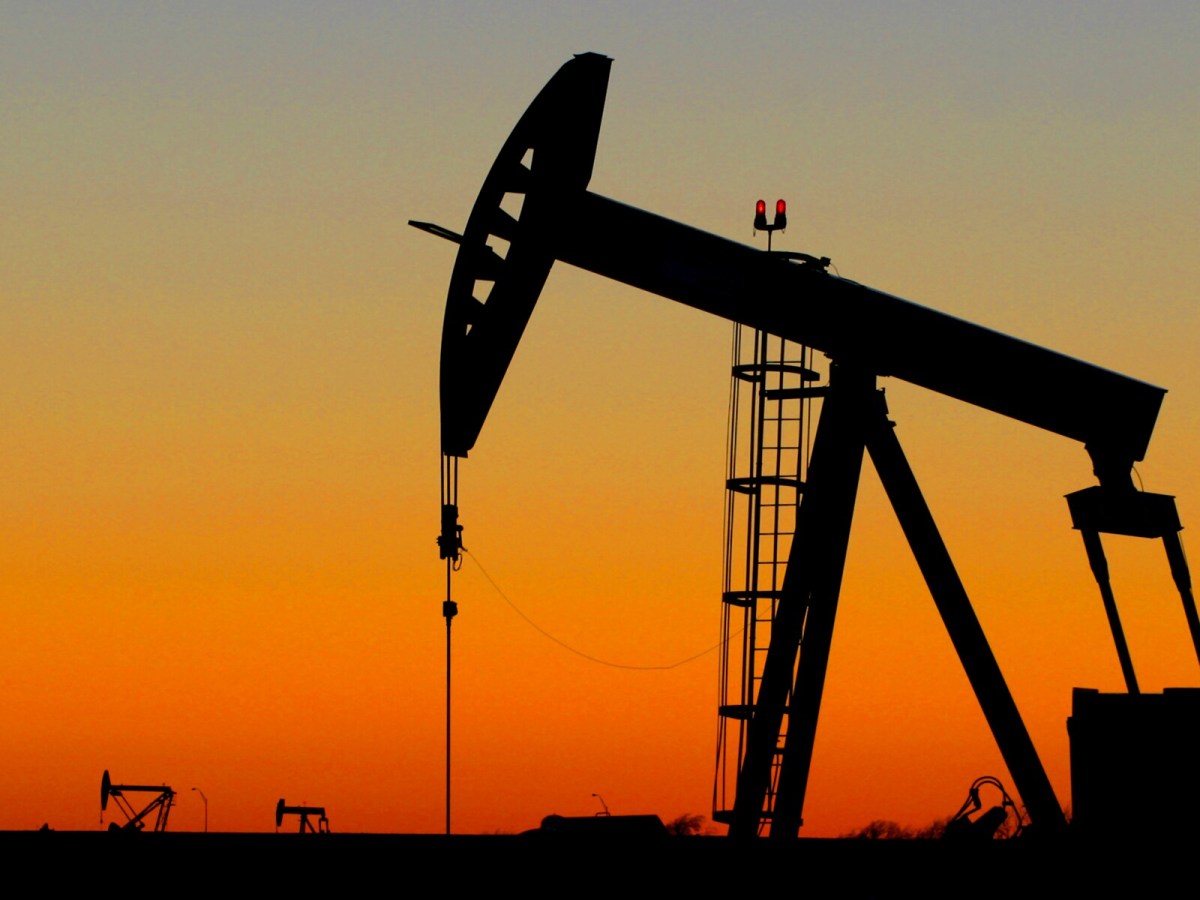
Oil casing is a crucial tubular component in oil drilling and production. Its operating principles revolve around three core functions: supporting the wellbore, isolating the formation, and ensuring the passage of oil and gas.
1. Petroleum
Specifies its application: specifically for the oil and gas industry. It is a specialized pipe used in oil and gas drilling and extraction, as opposed to conventional pipes used to transport water and gas, or structural pipes used in construction.
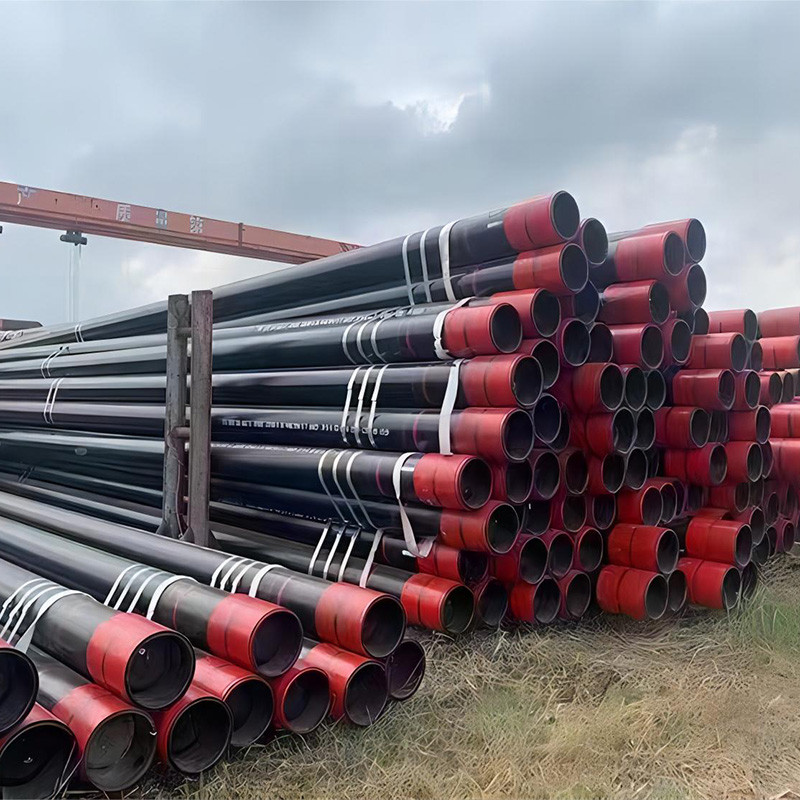
2. Casing
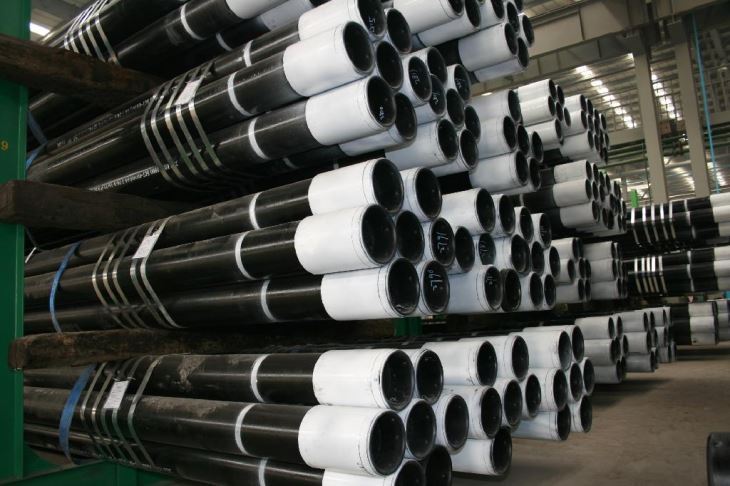
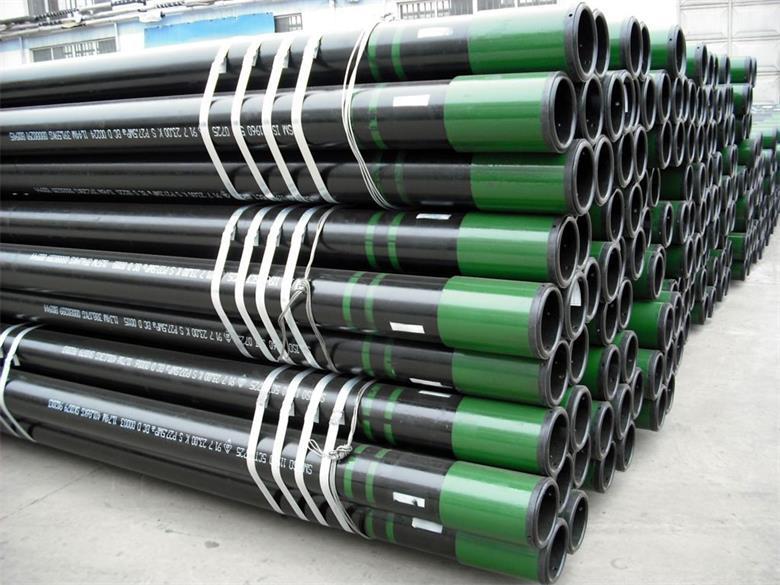
This section describes its functional role. It's not a "pipeline" used to transport oil and gas, but rather a "casing," like layers of armor or a "coat" covering the wellbore.
Specifically, casing plays the following key roles in an oil well:
Supporting the wellbore wall and preventing collapse:
The formations drilled through during drilling may be loose, fractured, or unstable (such as sandstone or shale). Without the support of casing, the wellbore can easily collapse, burying the drill string and rendering the well useless.
Isolating formations and isolating complex zones:
An oil well encounters multiple strata, which may contain high-pressure oil, gas, and water, as well as atmospheric fluids or hazardous substances (such as hydrogen sulfide). By running casing and injecting cement to bond the casing to the formation, these strata with different pressures and properties can be effectively separated, preventing cross-flow between them.
For example, this prevents gas from high-pressure zones from escaping into low-pressure zones, and prevents freshwater zones from being contaminated by deeper brine.
Controlling Blowouts and Ensuring Safety:
Casing provides a solid foundation for installing a blowout preventer (BOP) at the wellhead. When drilling into high-pressure oil and gas zones, the BOP closes the casing to control well pressure, preventing catastrophic blowouts.
Creating an Oil and Gas Pathway:
It provides a complete, stable pathway for subsequent production tools (such as smaller-diameter tubing), allowing oil and gas to safely reach the surface.
In summary:
The name "oil casing" accurately describes it as a multi-layer tubular structure used specifically for supporting, isolating, and protecting oil and gas wells during the drilling and completion processes.

By clicking 'Allow All', you agree to the storage of cookies on your device to enhance site navigation, analyze site usage and assist with our marketing efforts. Coo Cookie Notice