NEWS
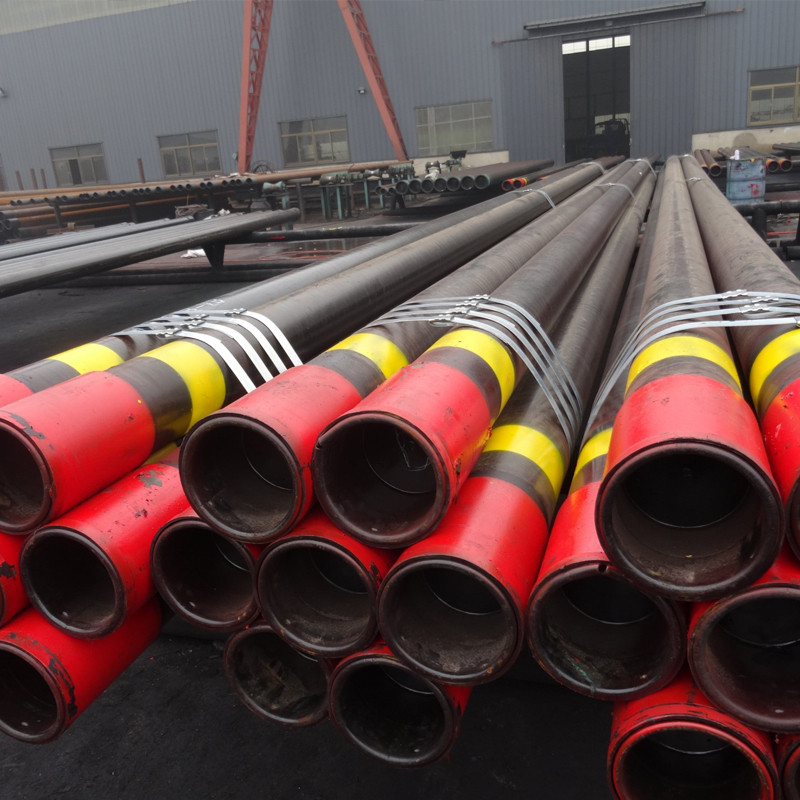
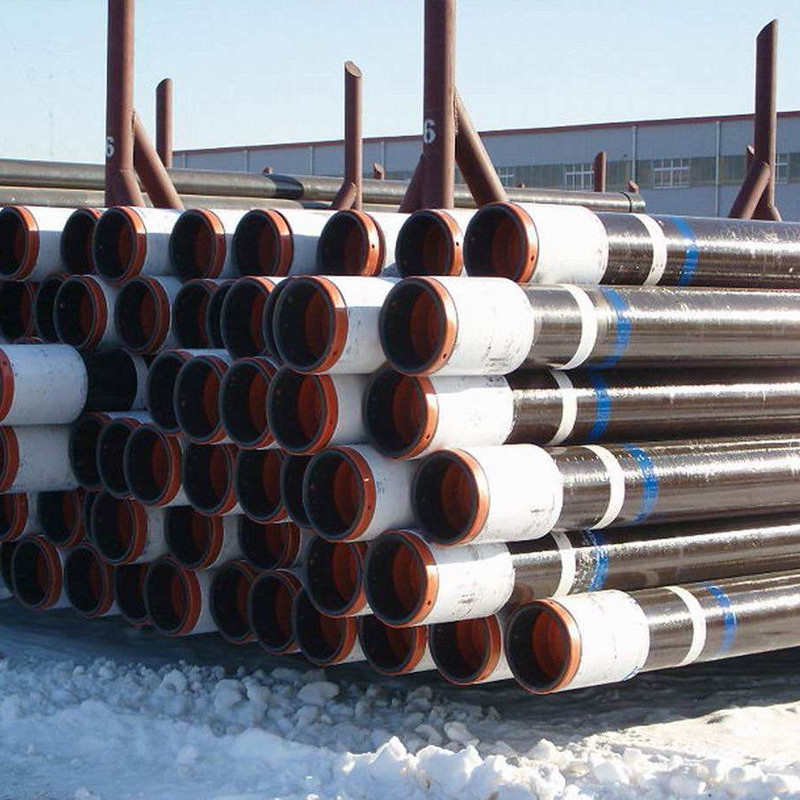
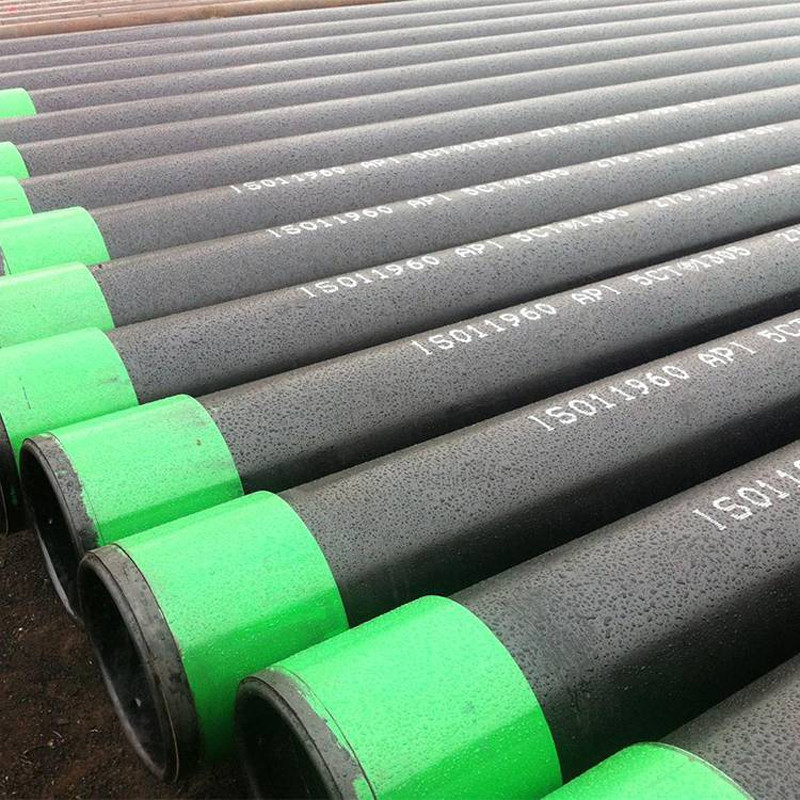
Simply put:
Oil well pipes are designed for extreme environments, like special forces soldiers venturing into hell;
ordinary steel pipes are made for everyday applications, like ordinary workers building cities.
Key differences:
1. Mission and Environment: Vastly Different
Oil Well Pipes: Their battlefield is thousands of meters underground. They must withstand high temperatures (above 150°C), high pressure (above 100 MPa), corrosion (hydrogen sulfide, carbon dioxide, brine),
and complex tensile, compressive, and bending stresses. Reliability is their lifeline; failure could render an oil well worth hundreds of millions obsolete.
Ordinary Steel Pipes: Used in building structures (such as scaffolding), municipal water supply, and gas transmission. They operate in mild, normal environments, with media that are usually not highly corrosive, and the pressure
and loads they withstand are relatively simple.
Analogy: Oil well pipes are like submersibles diving to depths of 10,000 meters, while ordinary steel pipes are like cargo ships sailing on land.
2. Standards vs. Quality: Industry Bible vs. General Specifications
Oil Well Pipes: Must strictly adhere to API (American Petroleum Institute) standards (such as API 5CT), but this is only the minimum requirement. Many manufacturers also have even more stringent
"proprietary standards." Extremely high requirements are placed on dimensional accuracy (wall thickness, ovality, straightness) to ensure smooth downhole installation and quality threaded connections.
Ordinary Steel Pipes: Follow national standards (GB), ASTM, and other general standards. Dimensional tolerance requirements are much more lenient; the core principle is economic efficiency.3. Connection Technology: Core Technology vs. Basic Processes
Oil Well Tubing: Connection is its core technology. It uses special precision threads (such as trapezoidal threads or special airtight threads). The connection points are required to have extremely high
connection strength and sealing performance, and be able to withstand multiple connection and unconnection operations.
Ordinary Steel Pipe: Connection methods are simple, such as welding, flanges, or clamps. The tensile strength and sealing requirements for the connection points are far lower than those for oil well tubing.4. Materials and Properties: Special Steel vs. Ordinary Steel
Oil Well Pipes: Utilize high-strength, high-toughness special alloy steel with clearly defined grades (e.g., N80, P110, Q125). Strict requirements are placed on chemical composition, hardenability,
and overall mechanical properties. Expensive corrosion-resistant alloys are often used.
Ordinary Steel Pipes: Primarily use ordinary carbon steel (e.g., Q235) or low-alloy steel, with a greater emphasis on weldability, machinability, and low cost.5. Non-destructive Testing: 100% Inspection vs. Sampling Inspection
Oil Well Pipes: Every pipe must undergo 100% non-destructive testing (such as ultrasonic testing and eddy current testing), with "zero tolerance" for any minor defects.
Ordinary Steel Pipes: Typically, batch sampling inspection is used, allowing for defects of a certain level that do not affect the overall structural safety.
In summary
Oil well pipes and ordinary steel pipes are two distinct industrial products: Ordinary steel pipes are "economical and practical" industrial products, with cost-effectiveness as their core focus.
Oil well pipes are high-tech products "born for the extreme," with absolute reliability and safety as their core priorities.

By clicking 'Allow All', you agree to the storage of cookies on your device to enhance site navigation, analyze site usage and assist with our marketing efforts. Coo Cookie Notice