NEWS
How to distinguish U-shaped steel from C-shaped steel?
Nov 20, 2025
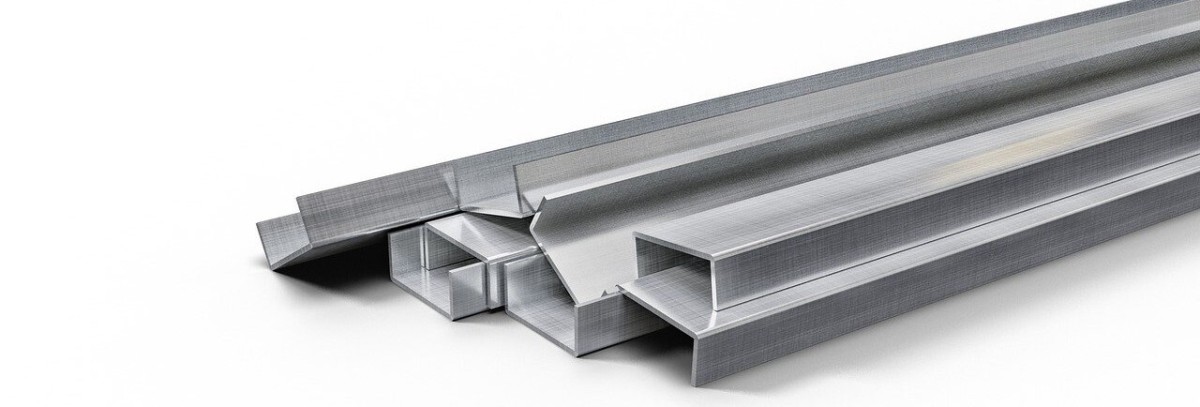
U-shaped steel and C-shaped steel are two common cold-formed steels. Although they look similar, they have essential differences in cross-sectional shape, mechanical properties and main applications.
The core difference can be summarized in one sentence: U-shaped steel is "channel steel", which mainly bears vertical force and bending moment; while C-shaped steel is "strip", which mainly serves as the skeleton of beams and columns.
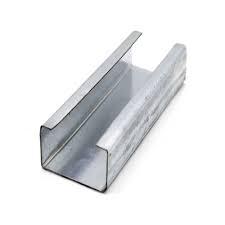
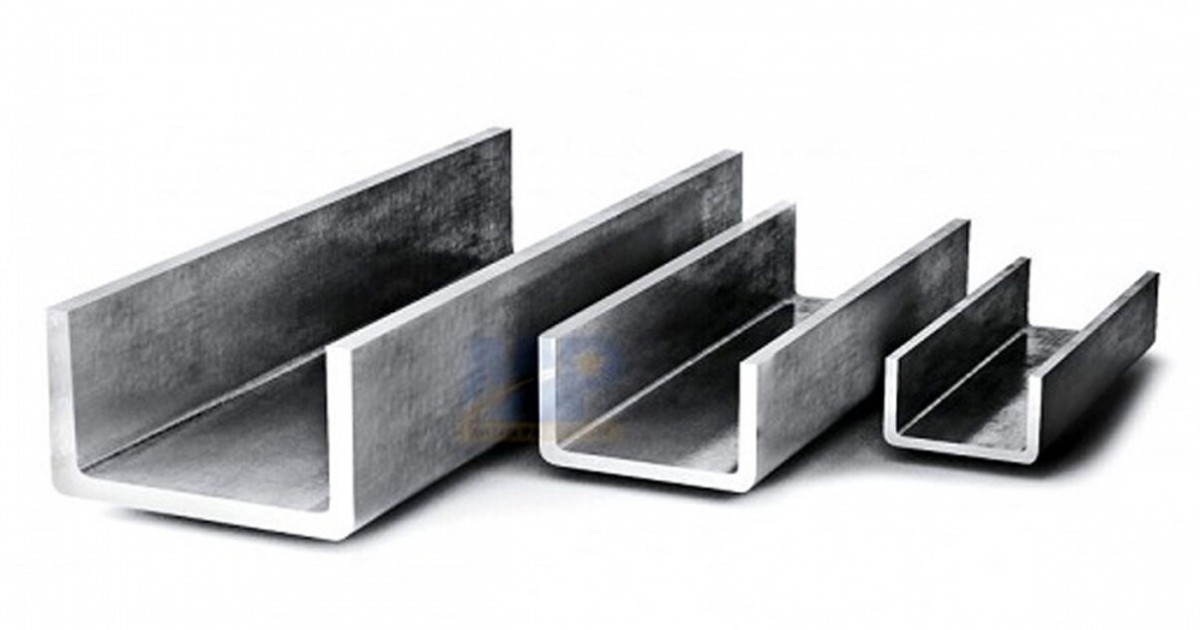
C Channel U Channel
Different shapes:
U-shaped steel has a "U"-shaped cross section, with two parallel sides perpendicular to the base.
Figure
C-shaped steel has a "C"-shaped cross section, with one side having an inward curl or rounded corner and the other side being straight, similar to the letter "C."
Different load-bearing capacities:
U-shaped steel is better suited to bearing lateral loads, such as pressure and shear, and is often used in applications requiring high lateral stability.
C-shaped steel can withstand greater longitudinal loads and bending forces. Its structural design provides superior stability and strength when bearing vertical weight, making it suitable for structures that need to support heavy loads.
Different Processing Properties:
U-shaped steel is typically cold-bent, relatively thin, and can be cold-bent and joined on-site. However, due to its limited shape, its processability is relatively poor, making it difficult to precisely machine into complex shapes and sizes.
C-shaped steel is typically hot-rolled, boasting high strength and rigidity. It can be processed through various methods, including cutting, welding, and cold bending, making it easier to precisely machine into various shapes and sizes to meet diverse structural requirements.
Different application scenarios:
U-shaped steel is primarily used in specific areas such as manufacturing and shipbuilding, including mine tunnel support, initial tunnel support, ship components, and pipe supports.
C-shaped steel is widely used in the construction industry, such as purlins and wall beams in building structures, support systems for bridges and platforms, and structural components for vehicles and industrial machinery.
Different ways of expressing dimensions:
C-shaped steel is usually expressed as B x H x t, where B represents the base width, H represents the height, and t represents the rib thickness.
U-shaped steel is usually expressed as H x B x t, where H represents the height, B represents the wall thickness, and t represents the base width.
Previous page:What are custom steel profiles?

By clicking 'Allow All', you agree to the storage of cookies on your device to enhance site navigation, analyze site usage and assist with our marketing efforts. Coo Cookie Notice
Custom Settings
Reject All
Agree All