NEWS
Manufacturing Process of Black Annealed Wire
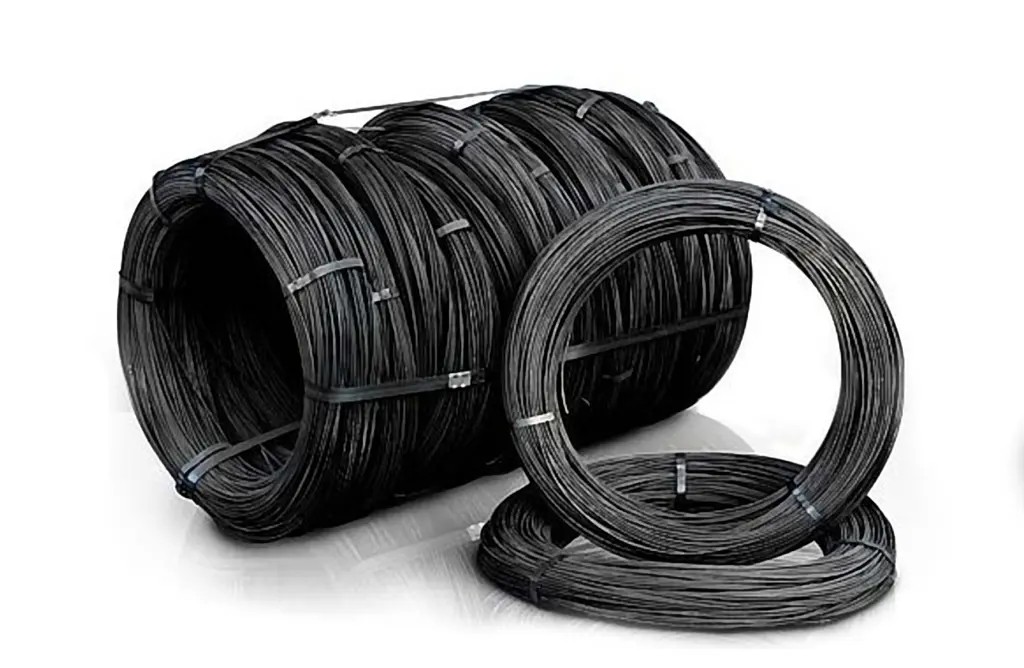
The manufacturing process of black annealed steel wire is the same as that of all binding wires, but with one key difference. The wire first undergoes a conventional drawing process,
where it is drawn through a series of dies to reduce its diameter and achieve the required specifications. The difference lies in the fact that after drawing, the wire undergoes annealing,
a heat treatment to eliminate internal stress and improve ductility.
The production process of black annealed steel wire is as follows:
1. Purchasing low-carbon steel billets
2. Drawing
3. Annealing
4. Cooling
5. Surface coating (optional)
6. Cutting and winding
Annealing improves the ductility, elongation, and smoothness of the wire, making it easier to process. BWD offers black annealed steel wire in various specifications, available inboxes, strips, or single-ring binding tape.
Our black annealed steel wire production process is as follows.
Steel Procurement
We source 100% U.S.-made steel bars from reputable family-owned steel mills. We choose low-carbon steel (1018) because it produces softer, more flexible wire.
Preparation and Drawing
First, the wire is mechanically descaled to remove rust and rolling mill scale.
Then, the wire is fed into a heavy-duty continuous drawing machine. The wire passes through progressively smaller dies to increase the wire diameter (decrease the overall diameter) until the desired size is achieved.
Annealing
Annealing consists of three stages:
1. Recovery. Restoring the metal's internal stresses and physical properties. The wire is heated to a specific temperature to soften it and eliminate internal structural defects.
2. Recrystallization. The wire is heated to a temperature above its recrystallization temperature but below its melting point. This temperature is held for a period of time, allowing deformed grains to be replaced by stress-free grains.
3. Grain Growth. The wire is then air-cooled to harden the newly formed grains into the desired crystal structure, completing the process. The cooling process affects the wire's microstructure, making the atomic arrangement more regular, ultimately leading to reduced hardness and increased ductility.
The material may lose some strength at this stage, but this can be recovered through subsequent quenching or tempering processes.
Surface Coating
After cooling, annealed wire is typically coated (this is optional, but BWD coats all its annealed wire products). Surface treatment improves the wire's corrosion resistance, appearance,
and magnetic properties.
We apply oil and wax to the black annealed wire. This oil smooths the wire surface, facilitating its passage through high-capacity packing machines. It also acts as a protective layer,
extending the wire's lifespan.
Cutting and Winding
The finished wire is then cut or wound. Bundling wire products are typically sold by weight, so the length we cut depends on the wire gauge and whether it is sold by box or bundle.
Advantages and Disadvantages of Annealing
The advantages of annealing include:
1. Improved mechanical properties. Annealing improves the structural integrity and flexibility of the wire, making it easier to process and more suitable for bundling applications requiring flexibility and ductility.
2. Enhanced electrical and magnetic properties. The heat treatment process improves conductivity and magnetism, making annealed wire ideal for electric fencing.
3. Reduced stress. By eliminating internal stress generated during drawing, annealing reduces the risk of fatigue, breakage, or cracking during prolonged use.
The disadvantages of annealing include:
1. Time-consuming. Depending on the temperature specifications and the composition of the wire or other materials being annealed, a longer, slower cooling process may be required.
2. Requires precise temperature control. To avoid lattice breakage due to thermal shock, annealing requires precise temperature control and monitoring during heating and cooling.
3. Loss of tensile strength. Some annealing processes can lead to a significant decrease in tensile strength, but the elasticity of the annealed wire can usually compensate for this loss. Furthermore, tensile strength can be restored through other processes.
What are the uses of annealed wire?
Black annealed wire is commonly used in the following applications:
1. Large-volume baling operations. Black annealed wire offers smooth feeding, making it ideal for use in twin-cylinder horizontal balers handling large quantities of material in the
recycling industry.
2. Baling expandable materials. The flexibility of annealed wire makes it ideal for baling easily expandable materials such as rubber tires, cardboard, and foam materials.
3. Large-scale baling. This type of baling operation requires the elasticity of black annealed wire or the strength of high-strength wire.
4. Other applications. Black annealed wire is used in the construction, agriculture, and packaging industries for fencing, bundling materials, reinforcing structural supports, and more.

By clicking 'Allow All', you agree to the storage of cookies on your device to enhance site navigation, analyze site usage and assist with our marketing efforts. Coo Cookie Notice